
Pharmacist-Reviewed Supplements Designed With Medication Awareness
We’re here to provide clarity. RYOS formulas are reviewed by a licensed pharmacist for potential drug-nutrient interactions with commonly prescribed medications. Choose the right product with the help of our pharmacist reviewed interaction information.

More than 75% of adults in the US are managing a chronic condition and many are taking prescription medications to manage these conditions while also using dietary supplements. But few may know how they interact.
Most supplement brands don't tell you how their ingredients interact with prescription medications. We do. Every RYOS formula is evaluated by a licensed pharmacist against commonly prescribed medications — and we publish the results right here so you can decide for yourself.
Choose your product to see interaction results:
RYOS Pharmacist-Reviewed Interaction Results by Product
Each RYOS product is reviewed against medications prescribed for the most common chronic conditions tracked by the CDC. Results are classified into three categories:
Generally well received — No widely reported interactions identified at typical supplement doses.
Consult your physician — Potential considerations exist; review with your healthcare provider before use.
Avoid — Known interaction risks that warrant avoiding this combination.
You'll notice that some results below say "Avoid." We publish those intentionally. If a RYOS product isn't compatible with your medications, we want you to know before you buy, not after. We'd rather lose a sale than compromise your health goals. That commitment to transparency is what "pharmacist-reviewed" actually means to us: every result published, not just the favorable ones.
Medication categories included in our review: blood pressure medications, cholesterol medications (statins), diabetes medications, GLP-1 receptor agonists, antidepressants, hormone therapies, and digestive medications, among others.
DIGESTIVE ENZYME SUPPLEMENTS AND MEDICATION INTERACTIONS
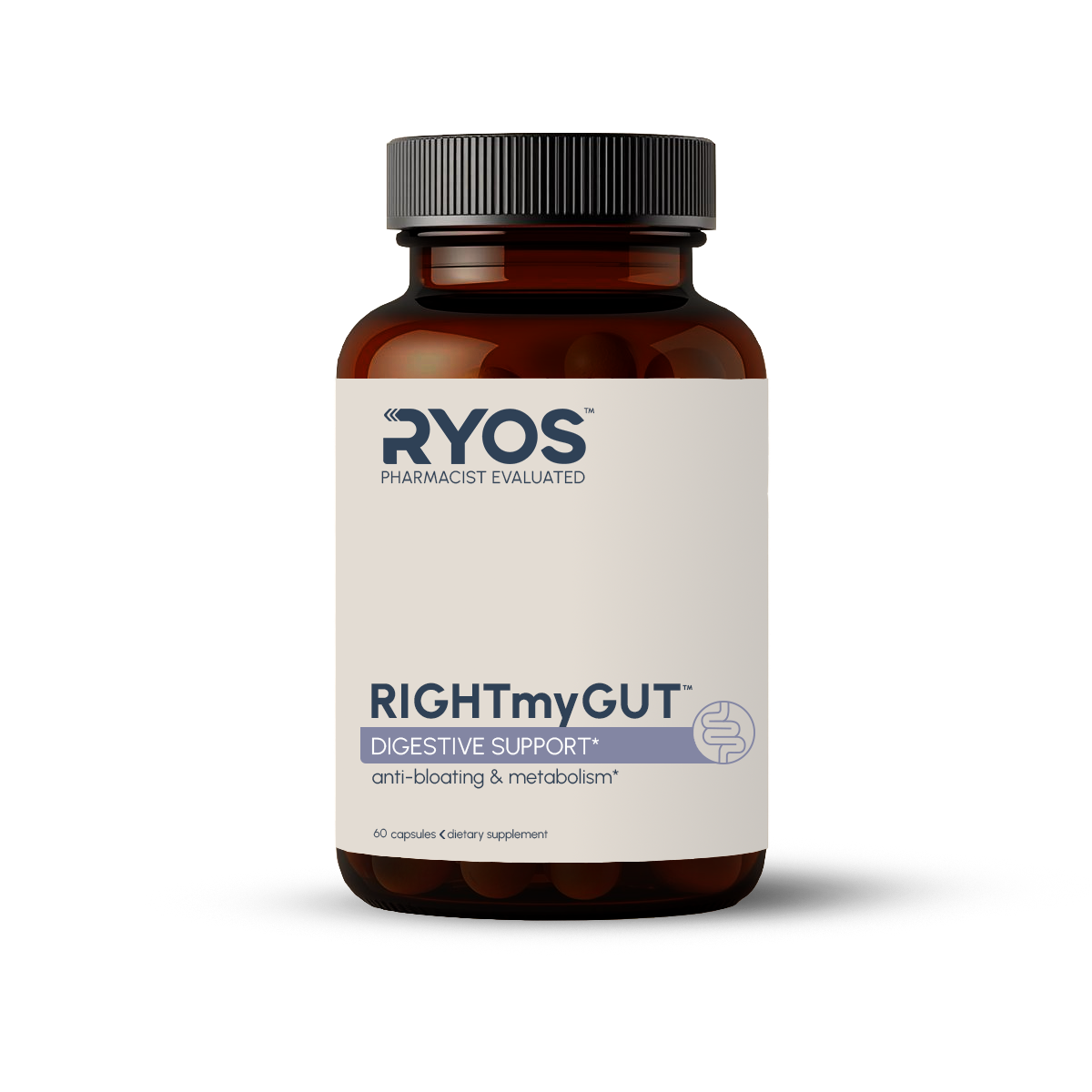
RIGHTmyGUTTM
DIGESTIVE SUPPORT SUPPLEMENT
RIGHTmyGUT combines six digestive enzymes (including fungal protease, bromelain, papain, lipase, lactase, and alpha-galactosidase) with three probiotic strains to support the natural breakdown of proteins, fats, carbs, and fiber — helping reduce bloating and improve nutrient absorption after meals.
This formula was evaluated ingredient-by-ingredient for potential interactions with commonly prescribed medications. Results are summarized below.
| Condition | Common Medications | Recommendation |
|---|---|---|
| High Blood Pressure | Diuretics (Hydrochlorothiazide), beta-blockers (metoprolol, carvedilol), ARBs (losartan) | Generally well received |
| Obesity | Semaglutide (Wegovy, Ozempic), Saxenda, Zepbound | Generally well received |
| High Cholesterol | Statins (atorvastatin, rosuvastatin), Zetia, fibrates (fenofibrate, gemfibrozil) | Generally well received |
| Arthritis | Corticosteroids, DMARDs (methotrexate, hydroxychloroquine), biologics (adalimumab, etanercept) | Consult your physician |
| Chronic Kidney Disease | ACE inhibitors, ARBs (losartan), SGLT2 inhibitors (dapagliflozin) | Generally well received |
| Diabetes | Insulin, Metformin, SGLT2 inhibitors, GLP-1 receptor agonists | Generally well received |
| Depression | SSRIs, SNRIs, tricyclic antidepressants | Consult your physician |
| Asthma | Albuterol, inhaled corticosteroids, LABAs | Generally well received |
| Heart Disease | Statins, beta-blockers, aspirin | Generally well received |
| COPD | SABAs, LABAs, corticosteroid/bronchodilator combos | Generally well received |
| Cancer | Anastrozole, doxorubicin, supportive corticosteroids, ondansetron | Avoid |
| Stroke | Anticoagulants (Eliquis, Xarelto), antiplatelets | Avoid |
| IBS / GERD / GI Conditions | PPIs, Lubiprostone, antacids | Generally well received |
| Menopause | Hormone replacement therapy | Generally well received |
Reviewed by Sunny Chow, RPh- Registered Pharmacist
MENOPAUSE SUPPLEMENTS AND MEDICATION INTERACTIONS
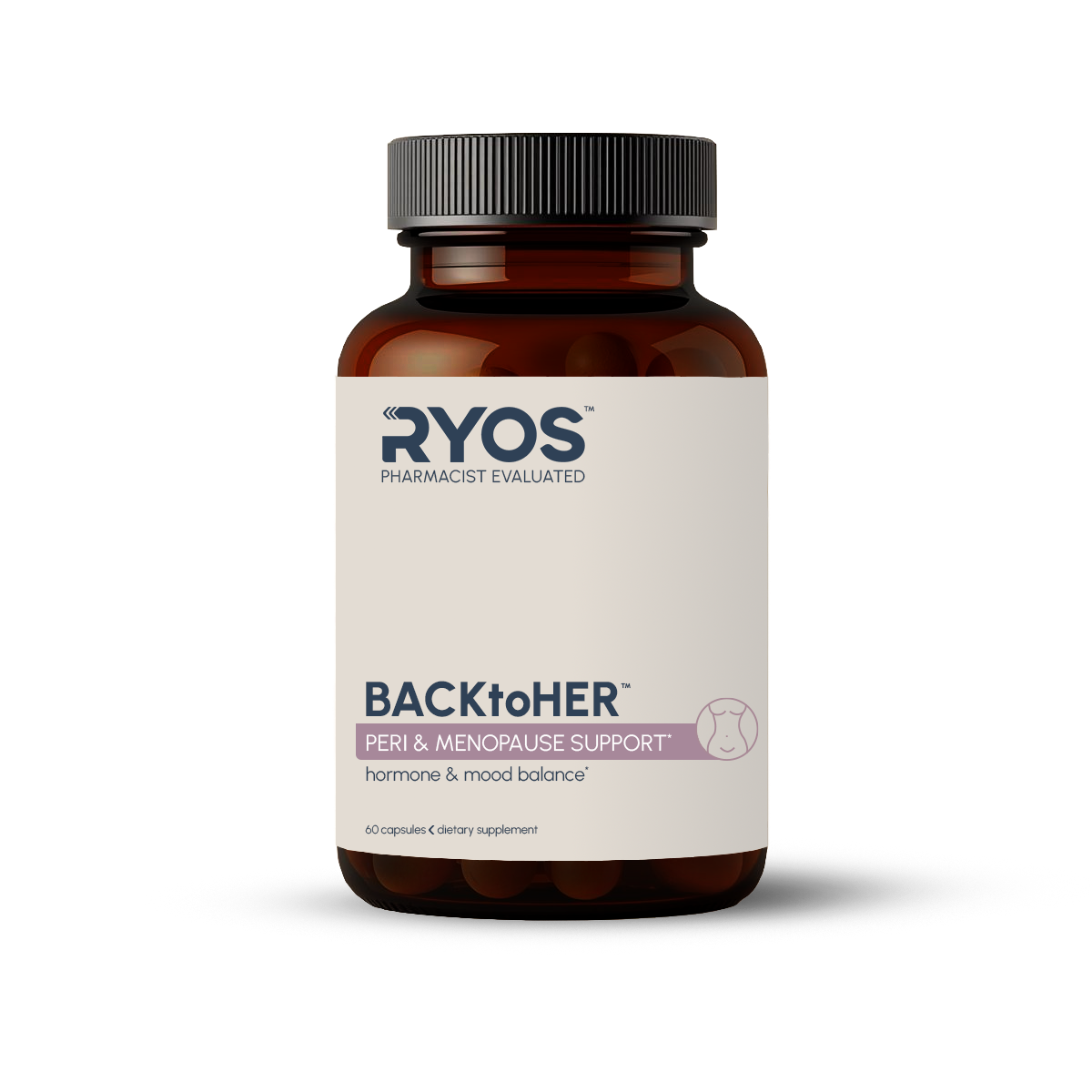
PERI & MENOPAUSE SUPPORT SUPPLEMENT
BACKtoHERTM
BACKtoHER features five botanicals — including black cohosh, ashwagandha, red clover, DIM, and maca — plus prebiotic and probiotic blends to support women experiencing hormonal shifts during perimenopause and menopause. The formula targets common concerns like hot flashes, mood changes, and night sweats.
Because menopause supplements often contain botanical extracts that share metabolic pathways with prescription medications, pharmacist review is especially important for this category. This formula was evaluated ingredient-by-ingredient before manufacturing.
Reviewed by Sunny Chow, RPh- Registered Pharmacist
| Condition | Common Medications | Recommendation |
|---|---|---|
| High Blood Pressure | Diuretics, beta-blockers, ARBs | Generally well received |
| Obesity | Semaglutide (Wegovy, Ozempic), Saxenda, Zepbound | Consult your physician |
| High Cholesterol | Statins, Zetia, fibrates | Consult your physician |
| Arthritis | Short term:Corticosteroids, NSAIDs for RA, DMARDs, biologics | Consult your physician |
| Chronic Kidney Disease | ACE inhibitors, ARBs, SGLT2 inhibitors | Generally well received |
| Diabetes | Insulin, metformin, SGLT2, GLP-1 | Consult your physician |
| Depression | SSRIs, SNRIs, Atypical antidepressants (buproprion) | Avoid |
| Asthma | Albuterol, inhaled corticosteroids, LABAs | Generally well received |
| Heart Disease | Statins, beta-blockers, aspirin | Consult your physician |
| COPD | Short term:SABAs, Long Term: ICS, Bronchodilator with corticosteroid | Generally well received |
| Cancer | Anastrozole, doxorubicin, steroids, ondansetron | Avoid |
| Stroke | Anticoagulants, antiplatelets | Avoid |
| IBS / GERD / GI Conditions | PPIs, Lubiprostone (IBS-C), antacids | Generally well received |
| Menopause | HRT | Consult your physician |
NAD+ SUPPLEMENTS AND MEDICATION INTERACTIONS
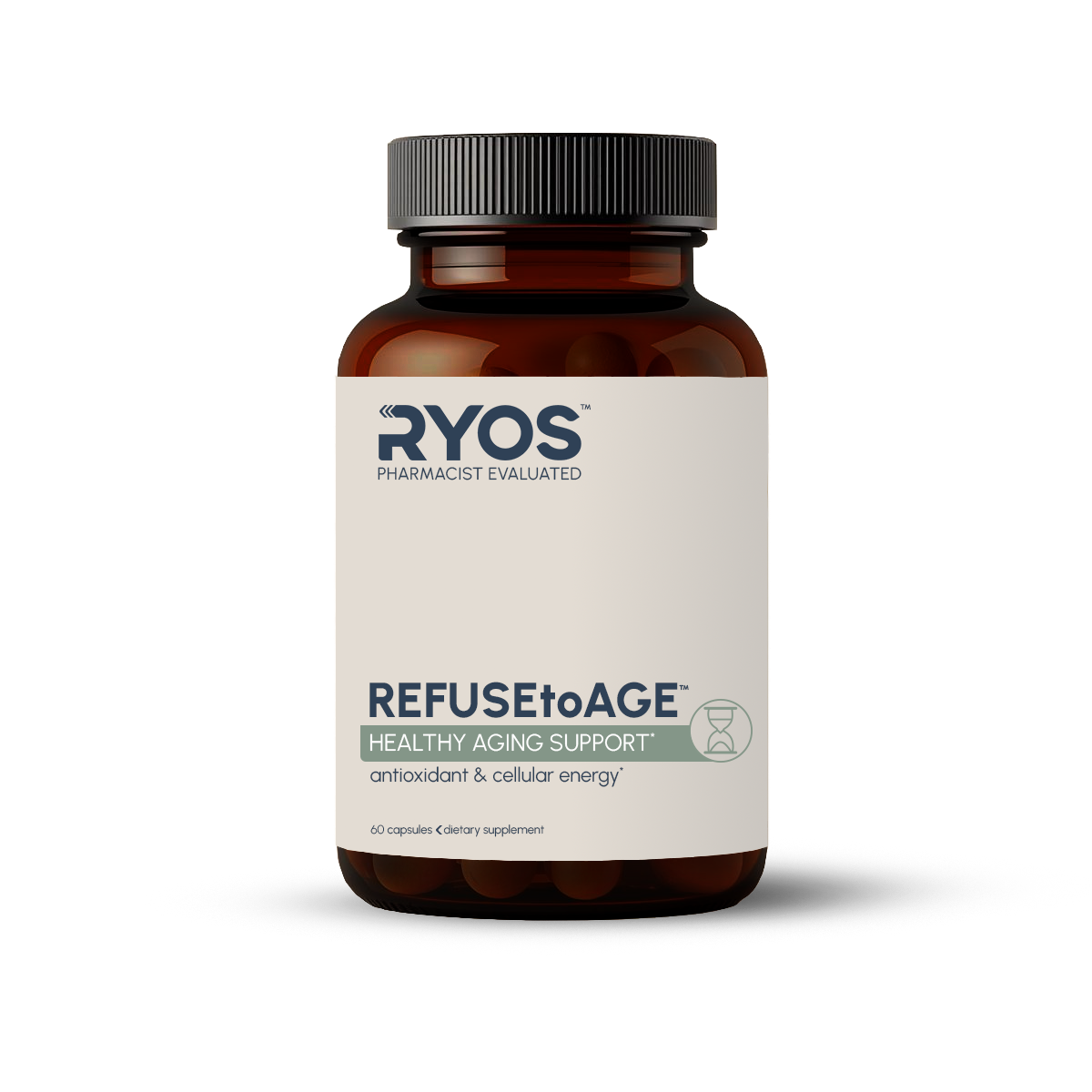
HEALTHY AGING SUPPORT SUPPLEMENT
REFUSEtoAGETM
REFUSEtoAGE is formulated to support NAD+ levels, which naturally decline with age — dropping as much as 40–50% by age 50. Lower NAD+ levels have been linked to reduced cellular energy, slower metabolism, and cognitive decline. The formula features nicotinamide riboside (500 mg per serving), absorption-friendly trans-resveratrol, quercetin, and galactomannans to support cellular repair, energy production, and metabolic health.
Because ingredients like resveratrol and quercetin can influence liver enzymes involved in medication metabolism, pharmacist review is particularly relevant for this formula. Each ingredient was evaluated individually.
Reviewed by Sunny Chow, RPh- Registered Pharmacist
| Condition | Common Medications | Recommendation |
|---|---|---|
| High Blood Pressure | Diuretics, beta-blockers, ARBs | Generally well received |
| Obesity | Semaglutide (Wegovy, Ozempic), Saxenda, Zepbound | Consult your physician |
| High Cholesterol | Statins, Zetia, fibrates | Consult your physician |
| Arthritis | Corticosteroids, DMARDs, biologics | Avoid |
| Chronic Kidney Disease | ACE inhibitors, ARBs, SGLT2 inhibitors | Generally well received |
| Diabetes | Insulin, metformin, SGLT2, GLP-1 | Consult your physician |
| Depression | SSRIs, SNRIs, Atypical antidepressants (buproprion) | Avoid |
| Asthma | Albuterol, inhaled corticosteroids, LABAs | Generally well received |
| Heart Disease | Statins, beta-blockers, aspirin | Consult your physician |
| COPD | SABAs, LABAs, ICS combos | Generally well received |
| Cancer | Anastrozole, doxorubicin, steroids, ondansetron | Avoid |
| Stroke | Anticoagulants, antiplatelets | Avoid |
| IBS / GERD / GI Conditions | PPIs, Lubiprostone (IBS-C), antacids | Generally well received |
| Menopause | HRT | Generally well received |
How the RYOS Pharmacist Review Process Works
Most supplement brands don’t evaluate their formulas against prescription medications. At RYOS, every formula goes through a structured pharmacist-led review. Here's what that involves:
Ingredient-by-Ingredient Evaluation
Each ingredient is reviewed individually by a licensed pharmacist for known drug-nutrient interaction considerations. This isn't a surface-level label check, it's an evaluation drawing on pharmacy expertise in medication management and drug-nutrient interactions.
Medications Covered
Ingredients are evaluated against the most commonly prescribed medications for chronic conditions monitored by the CDC, including blood pressure medications, statins and cholesterol drugs, diabetes treatments, GLP-1 receptor agonists, antidepressants, hormone therapies, and digestive medications.
Clear Classification
After review, each product-medication pairing is categorized as generally well tolerated, consult your physician, or avoid to give you a straightforward starting point for conversations with your doctor.
Quality Standards
All RYOS supplements are manufactured in the USA in GMP-certified and NSF-certified facilities, independently third-party lab tested, and made with non-GMO, gluten-free, dairy-free ingredients with no artificial flavors or colors.
Why Supplements and Medications Can Interact
Medications and supplement ingredients sometimes influence the same biological pathways. Understanding why these interactions happen can help you make more informed choices about what you take.
Absorption Interference
Some supplement ingredients can affect how medications are absorbed in the digestive tract. Minerals like calcium, magnesium, and iron are well-known examples — they can bind to certain antibiotics or thyroid medications and reduce how much of the drug actually enters your bloodstream. Timing and dosage both play a role.
Enzyme Competition
Your liver uses a family of enzymes (called cytochrome P450 enzymes) to break down both medications and many supplement ingredients. When a supplement ingredient uses the same enzyme pathway as a medication, it can speed up or slow down how quickly the medication is metabolized. This is one reason botanical extracts like resveratrol, turmeric, and ginkgo require closer review alongside certain prescriptions.
Additive Effects
Some supplements have effects that overlap with a medication's intended function. For example, an ingredient that naturally supports lower blood pressure may amplify the effect of a blood pressure medication, potentially causing levels to drop too low. The same applies to blood-thinning ingredients taken alongside anticoagulant therapy.
Who Should Pay Extra Attention
Supplement-medication interactions are most relevant for adults managing chronic conditions with ongoing prescriptions — particularly those taking blood thinners, blood pressure medications, statins, antidepressants, diabetes treatments, or hormone therapies. If you fall into any of these categories, choosing supplements that have been evaluated for medication interactions gives you a better starting point than choosing blindly.
FAQ: Supplements and Medication Awareness
Are RYOS supplements safe to take with medications?
Every RYOS formula is evaluated by a licensed pharmacist for potential ingredient-medication interactions. Results are categorized as generally well tolerated, consult your physician, or avoid. These results are published above for each product. We always recommend reviewing your full medication list with your healthcare provider before adding any new supplement.
Why do some supplements interact with medications?
Certain supplement ingredients can affect how medications are absorbed, metabolized, or used by the body. Some ingredients share metabolic pathways with prescription drugs, which can change how effectively the medication works. This is why ingredient-level review matters, because not all supplements carry the same risks.
What medications does RYOS review against?
Our pharmacist review covers medications prescribed for the most common chronic conditions tracked by the CDC, including blood pressure medications, statins, diabetes medications, GLP-1 receptor agonists (like Ozempic and Wegovy), antidepressants, hormone therapies, and digestive medications.
Who conducts the RYOS pharmacist review?
Each formula is reviewed by our head pharmacist Sunny Chow, RPh, a registered pharmacist with over 20 years of experience in medication management, drug-nutrient interactions, and patient education.
Is this the same as medical advice?
No. Our pharmacist review provides an additional layer of transparency to support informed decision-making, but it does not replace individualized medical advice. Every person's health situation is different, and we always recommend consulting your physician before starting any new supplement, especially if you take prescription medications.
What does "generally well tolerated" mean?
It means that based on available evidence and clinical review, no widely reported interactions were identified between the supplement's ingredients and that medication category at typical supplement doses. It does not mean the combination is risk-free for every individual.
Have additional questions? Visit our full FAQs or drop us a note.